Hillingdon Council rules for placing flowers on public land
Posted on 20/10/2026
Hillingdon Council rules for placing flowers on public land: a practical guide for residents, visitors, and families
If you are trying to understand Hillingdon Council rules for placing flowers on public land, you are probably doing it for a real reason, and usually a sensitive one. Maybe you want to leave a bouquet after a funeral. Maybe you are marking a remembrance date, a local tragedy, or simply saying goodbye in a quiet, respectful way. Whatever the reason, the last thing you want is to do the wrong thing, or have flowers removed before you have even had time to visit again.
This guide explains how public land flowers are generally handled in Hillingdon, what to check before you place anything, and how to avoid the awkward little problems that crop up when people are grieving, rushing, or just unsure where the boundary between public and private land actually sits. Truth be told, that boundary can be less obvious than it should be.
We will also cover the practical bits people often miss: where flowers are usually more acceptable, what can trigger removal, how to keep tributes tidy and safe, and when it makes sense to use a more formal floral arrangement instead of a loose bunch. You will come away with a clearer picture and a calmer plan.
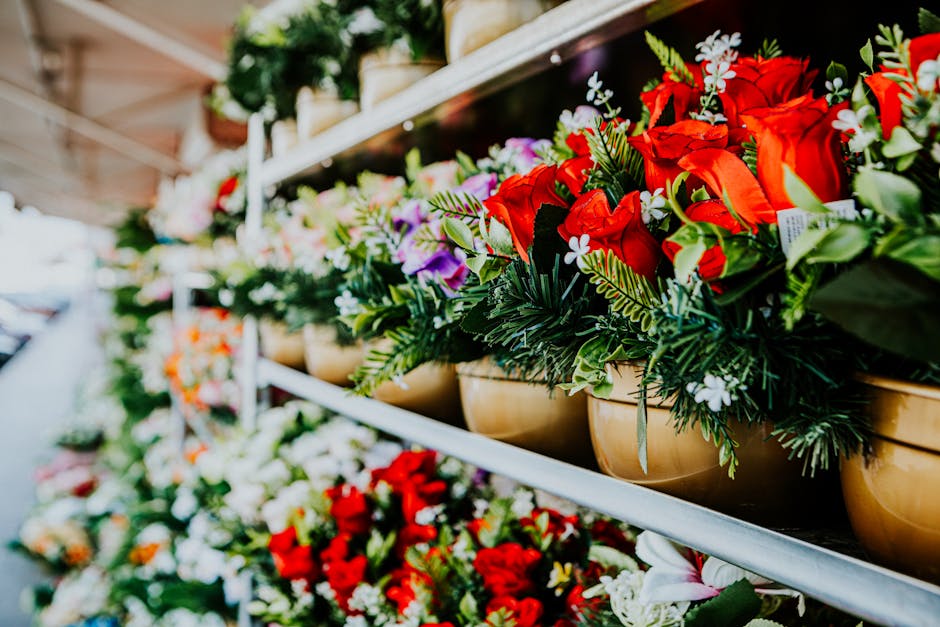
Why Hillingdon Council rules for placing flowers on public land Matters
Flowers on public land might sound like a simple matter, but it sits at the crossroads of respect, safety, maintenance, and public access. Councils have to balance the emotional side of a tribute with the practical reality that pavements, grass verges, memorial spots, roundabouts, parks, and communal spaces are used by lots of people every day.
In Hillingdon, as in other London boroughs, the main issue is usually not whether flowers are heartfelt. Of course they are. The issue is where they are placed, how long they stay there, and whether they create a risk, nuisance, or obstruction. A few stems tucked neatly in a permissible spot are very different from a large arrangement blocking a path, getting waterlogged, or blowing into the road on a windy afternoon.
It is also worth saying that councils often deal with this in a humane way. A small tribute near a place of significance is often treated with sensitivity, especially if it is tidy and does not interfere with others. But public space is still public space. Once flowers are left there, they are not automatically guaranteed to remain indefinitely. That catches people out more often than you might think.
Why does this matter so much? Because knowing the rules before you go saves you stress later. It helps you choose an appropriate format, avoid removal, and show care in a way that actually lasts. And honestly, if you are already having a hard week, you do not need an avoidable dispute over a bunch of lilies.
How Hillingdon Council rules for placing flowers on public land Works
The exact handling of flowers on public land usually depends on several things: the location, the type of land, whether the space is maintained by the council, and whether the flowers create a practical issue. That sounds a bit bureaucratic, but it is how local land management works.
Think of it in layers:
- Public highway areas such as pavements and verges are usually the most sensitive. These spaces must remain safe and clear for pedestrians, wheelchair users, pushchairs, and road users.
- Parks and open spaces may allow tributes more flexibly in certain areas, but they still need to remain tidy and manageable.
- Memorial or incident locations can attract flowers naturally, but the council may still set limits on duration, size, or placement.
- Private land with public access can be confusing. A spot may look public, but if it is privately managed, different rules may apply.
The practical rule of thumb is simple: if flowers are placed somewhere that could obstruct movement, interfere with maintenance, or create litter, they are more likely to be removed. If they are neat, safe, and in a spot that the land manager can reasonably tolerate, they are more likely to remain for longer.
There is also the seasonal reality. A small bunch on a dry day can look fine in the morning and slightly sorry for itself by evening after rain, wind, or traffic spray. That is just how London weather behaves, no surprises there. If you are leaving flowers, choose something that can cope with a bit of exposure and still look respectful the next day.
For families arranging tributes more formally, a local florist can also help you choose a design that is suitable for a memorial or funeral setting, such as funeral flowers or carefully designed sympathy flowers that are easier to place neatly and handle with dignity.
Key Benefits and Practical Advantages
Following the relevant rules is not just about avoiding a problem. It actually makes the tribute more meaningful. A well-placed arrangement feels thoughtful, not accidental. It is easier for other people to respect, easier for the land manager to leave in place, and less likely to become messy or unsafe.
Here are the main practical advantages:
- Less risk of removal: If flowers are placed appropriately, they are less likely to be cleared away during routine maintenance.
- Better presentation: A tidy tribute tends to look more dignified for longer.
- Lower chance of causing obstruction: This matters particularly near paths, kerbs, entrances, and crossings.
- Reduced stress for families: Nobody wants to wonder whether their tribute is compliant or will be moved overnight.
- More respectful to the wider community: Public spaces have to work for everybody, not just one moment of grief or remembrance.
There is a quieter benefit too. When flowers are placed with care, the tribute feels like part of the place rather than something forced onto it. That may sound small, but in practice it makes a big difference.
Expert summary: The best outcome is usually the simplest one: choose a safe location, keep the arrangement neat, avoid blocking access, and expect that public land is managed for everyone, not just for a single tribute.
Who This Is For and When It Makes Sense
This guidance is relevant to quite a few people, and not all of them are thinking about the same thing.
You may need it if you are:
- a family member arranging flowers after a bereavement
- a friend leaving a small tribute at a meaningful place
- someone attending a memorial, vigil, or anniversary gathering
- a local resident wanting to honour a public event respectfully
- a florist helping a customer choose the right style of tribute
- an organiser trying to keep a remembrance area tidy and considerate
Sometimes the need is practical rather than emotional. For example, a customer may ask for a tribute that can sit safely near a roadside memorial without falling over or scattering petals. In that case, a more structured design, such as a wreath or a compact spray, often works better than a loose hand-tied bunch.
It also makes sense to think about public land rules when you are planning for timing. Leaving flowers at dawn, before a funeral service, or on a date of remembrance may feel right. But if the area is likely to be cleaned the next morning, you may want something more robust, or at least to check the expected treatment of the site.
And yes, there is a slightly awkward truth here: even a beautiful bouquet can be a poor choice if it is too large, too fragile, or too in the way. Beauty and practicality need to get along.
Step-by-Step Guidance
If you are not sure where to start, use this straightforward process. It is intentionally plain-English, because nobody wants a maze of bureaucracy when they are already dealing with a difficult moment.
- Identify the exact location. Is it a pavement, verge, park, roadside strip, entrance area, or memorial site? The answer changes everything.
- Check who manages the land. Public land is not always managed the same way. Some areas are maintained by the council; others may be under different control.
- Think about safety first. If flowers could block access, hide visibility, or create a trip hazard, choose another spot or another format.
- Keep the arrangement compact. Smaller, tidier tributes are generally easier to leave without causing issues.
- Avoid loose items. Cellophane, ribbon tails, cards, and heavy packaging can become litter or get blown about.
- Use a florist arrangement if appropriate. Structured tributes are often more stable than supermarket-style bunches, especially outdoors.
- Plan for removal or decay. Even if flowers are accepted initially, they may only stay for a limited period.
- Follow any local instruction promptly. If the council or site manager gives guidance, it is usually best to follow it quickly and calmly.
A sensible habit is to take a quick look at the space before you leave anything. Stand where a passer-by would stand. Could someone wheel a buggy past without fuss? Could a maintenance crew reach the area? If the answer is no, the location probably is not right.
For people arranging flowers from a distance, a delivery service may be useful, especially where timing matters. Options like same-day flower delivery or next-day flower delivery can help when you need a tribute ready quickly and with less last-minute panic. We have all had that moment of realising the day is basically already gone.
Expert Tips for Better Results
If you want the flowers to look dignified and last a bit longer, a few practical habits go a long way.
- Choose sturdy stems. Flowers that hold shape outdoors are usually a safer bet than very delicate blooms.
- Keep the water situation sensible. A heavy water-filled container is not always suitable on public ground, especially near edges or uneven surfaces.
- Use muted or respectful colours where appropriate. White, soft pink, purple, and mixed tones are often chosen for remembrance, though context matters.
- Avoid over-decorating. Too much ribbon, plastic wrap, or add-ons can make a tribute look cluttered.
- Think about weather exposure. Wind, rain, traffic spray, and footfall can all affect the arrangement very quickly.
- Ask before assuming. If the site is sensitive or unusual, it is better to check than guess.
One small but useful tip: if you are leaving flowers at a meaningful location, bring a simple cloth or small bag for any packaging you need to remove. It sounds minor, but it helps keep the area tidy and makes the gesture feel more intentional. Also, less flap in the wind, which is always nice.
Another point people sometimes miss is scale. A large funeral tribute can be beautiful in a chapel or at a service venue, but it may be too much for a narrow strip of public land. In those cases, a smaller tribute arrangement or a compact wreath is often the more thoughtful choice.
Common Mistakes to Avoid
Most issues with public-land flowers come down to a few predictable mistakes. They are easy to make, especially when emotions are running high.
- Leaving flowers in a walkway. Even slightly off-centre can still be a problem if people need to pass.
- Assuming every public space is treated the same. A park path is not the same as a roadside verge, and neither is the same as a memorial location.
- Using loose plastic or cellophane. It can look neat at first but become litter very quickly.
- Placing tributes where maintenance crews cannot easily reach. If the area becomes difficult to cut, sweep, or inspect, it may be removed.
- Leaving flowers for too long without checking. Over time, even a respectful tribute can become untidy.
- Choosing a bouquet that is too fragile for the weather. This is especially common with delicate blooms on exposed sites.
There is also a human mistake that is less about logistics and more about assumption: people think goodwill alone will override land management. Usually it does not. Goodwill helps, certainly, but the location still has to work.
Avoid the "I'm sure it'll be fine" approach if the flowers are going somewhere public and exposed. Sometimes it is fine. Sometimes it really is not. Better to spend two minutes checking than end up disappointed later.
Tools, Resources and Recommendations
You do not need a pile of equipment, but a few simple tools make the process smoother and more respectful.
- Scissors or floral snips: useful for trimming stems so the arrangement sits neatly.
- Simple wrapping: helpful during transport, though it should usually be removed before placement if it creates litter risk.
- Water source: useful if you are preparing flowers at home before going out.
- Weather check: not glamorous, but honestly very useful in London.
- Contact details for the site manager or council: worth keeping handy if the location is sensitive.
For people who want a tribute that feels polished without being overblown, a florist can help with flower choice, size, and styling. That is especially useful where the tribute needs to sit outside for a while. A well-made arrangement from a local florist often stays presentable for longer than a hastily wrapped bunch from somewhere on the way home.
You may also want to look at flower-care advice if you are preparing the tribute in advance. Good preparation matters, even for a short journey. A few minutes of care can stop petals drooping before you even arrive. If you want to keep arrangements looking fresher for longer, the site's flower care guidance is a practical starting point.
And if you are choosing flowers for a broader family occasion rather than a memorial, the same site has plenty of options for sending flowers for birthdays, anniversaries, or general support, which can be useful when you want something appropriate but not too formal.
Law, Compliance, Standards, and Best Practice
Flowers on public land sit within a wider framework of local authority land management, public safety, and nuisance prevention. The exact legal position can vary depending on the land type and the local context, so it is best not to assume that one rule applies everywhere.
As a practical matter, the important standards are usually these:
- No obstruction: tributes should not block paths, roads, entrances, or access for people with mobility needs.
- No hazard creation: flowers, containers, or memorial items should not make the area unsafe.
- No unwanted waste: packaging and deteriorating materials should not be left to blow around.
- Respect for maintenance: grass cutting, sweeping, litter collection, and inspection should still be possible.
- Proportionate placement: the tribute should suit the site, not overwhelm it.
That last point is surprisingly important. A modest, well-placed arrangement is far more likely to be tolerated than something sprawling and heavily decorated. Best practice is usually to be calm, compact, and considerate. Not thrilling, perhaps, but effective.
If the matter involves a memorial site, funeral tribute, or incident location with heightened sensitivity, it is sensible to check any local direction before leaving flowers. Councils may allow temporary tributes and then remove them after a suitable period. That is not disrespect; it is simply how shared spaces are managed.
In commercial terms, florists working on these kinds of orders should pay attention to durability, handling, and placement. A tribute that looks beautiful in the shop may not hold up well outside by a road or on damp grass. That practical detail matters far more than many people realise.
Options, Methods, or Comparison Table
Different tribute styles work better in different settings. If you are deciding what to place on public land, this simple comparison may help.
| Option | Best for | Strengths | Possible drawbacks |
|---|---|---|---|
| Loose bouquet | Small personal tributes | Simple, heartfelt, easy to carry | Can be fragile, may scatter, packaging can become litter |
| Wreath | Formal remembrance or funerals | Structured, dignified, generally stable | May be too large for narrow public spaces |
| Spray | Memorials and funerals | Looks polished, tends to sit well on a flat surface | Needs a suitable resting place |
| Posy or basket | Compact tributes | Neat, practical, less likely to obstruct | Can still deteriorate in wet weather |
| Large display | Designated memorial or service venue | Strong visual impact | Usually less suitable for public land |
If you are unsure which route to take, a compact tribute is usually the safest starting point for public land. It is easier to place, easier to maintain, and less likely to become a nuisance later. That is not the glamorous answer, but it is the sensible one.
For more celebratory occasions, a florist can also suggest styles that are less formal while still feeling thoughtful, such as best-selling arrangements or seasonal designs that look good without feeling excessive. Different moments call for different choices.
Case Study or Real-World Example
Here is a realistic example based on the kind of situation local families often face.
A family in Hillingdon wanted to leave flowers near a spot that held personal meaning after a funeral. The first instinct was to take a large bouquet with a wide ribbon and place it directly by the edge of a busy path. After a quick look at the area, it became clear that the path was used constantly by people walking dogs, parents with pushchairs, and someone on a mobility scooter. Leaving the flowers there would have created clutter and probably annoyed others, however unintentionally.
So they adjusted the plan. Instead of a tall, loose bouquet, they chose a more compact tribute with fewer loose elements and placed it in a safer, less intrusive position. They also removed excess packaging before arrival. The result was simple, neat, and far more likely to remain in place. No drama, no awkward complaints, just a respectful gesture that fit the environment.
That sort of adjustment is common. In our experience, the biggest improvement often comes from changing the format rather than trying to change the location. You keep the sentiment. You lose the problem. Easy, really, once someone says it out loud.
If you need flowers for a similar sensitive occasion, consider options designed for commemoration or sympathy rather than general gifting. A thoughtful arrangement like funeral flowers or a carefully prepared tribute is often a better fit than an everyday bouquet.
Practical Checklist
Before you leave flowers on public land in Hillingdon, run through this quick checklist.
- Have I identified the exact spot and who manages it?
- Will the flowers block access, sightlines, or maintenance?
- Is the tribute small and stable enough for an outdoor public location?
- Have I removed unnecessary packaging and loose plastic?
- Will the flowers cope with wind, rain, or foot traffic?
- Do I know whether the area is likely to be maintained or cleared soon?
- Have I chosen a respectful style that suits the location?
- If needed, have I checked with the council or land manager first?
- Have I planned what to do if the flowers need to be removed later?
That is the sort of list you can read in under a minute, but it saves a lot of second-guessing later. Honestly, it is the kind of thing people wish they had done once they are standing there with wet sleeves and a bouquet that is starting to sag. We have all had moments like that.
Get a free quote today and see how much you can save.
Conclusion
Understanding Hillingdon Council rules for placing flowers on public land is really about combining heart with common sense. A tribute can still be deeply personal while remaining tidy, safe, and considerate of the space around it. That balance matters more than people sometimes realise.
If you keep the location in mind, choose a suitable style, and avoid creating an obstruction, you will usually be on much firmer ground. And if the situation feels sensitive or uncertain, it is always better to pause and check than to guess. A little care up front can spare a lot of worry later.
Most of all, remember that the goal is not perfection. It is respect. A quiet, well-placed bunch of flowers can say exactly what it needs to say.
And sometimes, that is enough.
Frequently Asked Questions
Can I leave flowers on public land in Hillingdon?
Sometimes yes, but it depends on the exact location and whether the flowers create an obstruction or safety issue. Tidy, temporary tributes are generally more acceptable than large or messy displays.
Do Hillingdon Council rules for placing flowers on public land allow memorial tributes?
Memorial tributes are often treated with sensitivity, especially near a significant location, but they still need to be safe, neat, and suitable for public space. They are not automatically permanent.
Will the council remove flowers from public land?
They may, especially if the flowers become a hazard, block access, or are left in a place that needs to be maintained. Even well-meaning tributes can be cleared after some time.
How long can flowers stay on public land?
There is no universal answer because it depends on the location and the council's management approach. In practice, the longer flowers remain, the more likely it is that they may need checking or removal.
What is the safest type of tribute for public land?
Compact arrangements such as a small posy, basket, or wreath are often safer than a loose bouquet, because they are less likely to blow around or obstruct people.
Can I leave flowers on a pavement or roadside verge?
These are among the most sensitive places because of access and safety. If you are considering it, be especially careful about obstruction, visibility, and traffic risks.
Should I wrap flowers for outdoor placement?
Transport wrapping is fine, but loose plastic or decorative packaging should usually be removed if it could become litter or make the tribute unstable.
What colours are best for a remembrance tribute?
There is no strict rule, but white, soft pink, purple, and mixed arrangements are commonly chosen for sympathy and remembrance. The most important thing is that the style feels appropriate to the occasion.
Can I ask the council before I place flowers?
Yes, and if the location is important or unusual, that is often the best move. A quick check can save you from having to move the tribute later.
Are flower tributes different in parks compared with roadsides?
Yes. Parks and open spaces may allow more flexibility in some areas, while roadsides and pavements usually have stricter safety considerations. The setting really does matter.
What should I do if I want a tribute to last longer?
Use sturdier flowers, keep the arrangement compact, remove excess packaging, and choose a location that is less exposed to wind and foot traffic. A florist can also help with a more durable design.
Is a florist better than buying flowers myself for public-land tributes?
Not always, but a florist can be very helpful if the tribute needs to look polished, travel well, or suit a sensitive location. For public land, that extra structure is often worth it.
Sometimes the smallest tribute, placed with care, says the most. That quiet thought tends to linger.


